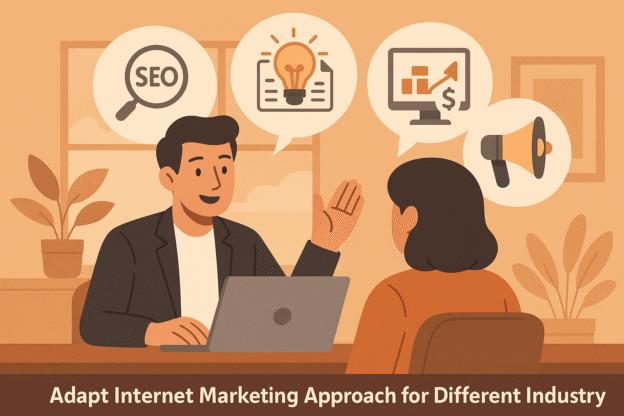
Adapting your Internet Marketing Counseling approach for different industries means understanding each sector’s unique goals, audience behaviors, and competitive landscape. You can’t use a one-size-fits-all method because every industry responds differently to marketing tactics. When you tailor your strategy specifically, you create more relevant campaigns that better engage potential clients and drive stronger results.
Know Your Client’s Industry Inside and Out
First off, dive deep into understanding the industry you’re working with. Each sector has different customer expectations, buying cycles, and marketing channels that perform best. For example, tech companies often rely heavily on content marketing and webinars to educate a savvy audience, while retailers might focus more on social media and online advertising to show off products and promotions.
Here’s what you should do for each industry:
- Research the target audience: Find out who they are, what problems they want solved, and where they spend their time online.
- Analyze competitors: See what kind of online presence and marketing tactics competitors use. This helps you position your client smarter.
- Understand industry jargon and trends: Speak their language. This builds credibility and trust, so your counseling feels relevant and authoritative.
By tailoring your approach with this knowledge, you’ll create strategies grounded in what truly moves the needle in that industry.
Customize Your Internet Marketing Tactics
Not every marketing tactic fits all industries, so carefully craft strategies based on what works best. Consider these common marketing components and how they change by industry:
- Search Engine Optimization (SEO): In industries like law or healthcare, people often search with very specific queries, so focus on long-tail keywords that answer real questions. For retail, local SEO and product-related keywords will matter more for driving foot traffic or e-commerce sales.
- Content Marketing: Educational content works wonders in B2B or tech sectors by helping potential clients make informed decisions. For hospitality or tourism, storytelling and user-generated content make people imagine and crave experiences.
- Paid Advertising: Retail and e-commerce typically benefit greatly from targeted ads because purchases are more impulse-driven. In contrast, finance or legal services may focus on building trust first with informative ads rather than direct sales messages.
- Social Media Marketing: Different industries thrive on different platforms. Fashion brands might lean heavily on Instagram and TikTok, while B2B companies prefer LinkedIn for professional networking.
- Email Marketing: This can be personalized for every industry, but the tone and frequency will vary. A technology firm might send weekly updates on innovations, while a local service provider might send monthly promotions or seasonal tips.
By knowing how each tactic serves your client’s goals differently, you avoid giving generic advice. Instead, you offer actionable, industry-specific guidance that truly fits their needs.
Focus on Goals and Measurable Outcomes for Each Industry
Your counseling should always revolve around the client’s specific business goals because what success looks like varies by industry. For instance, a healthcare provider may want to increase patient appointments, while an e-commerce store focuses on boosting online sales, and a finance firm seeks to generate qualified leads for consultations.
Steps to align your marketing approach with goals:
- Set clear objectives: Ask clients what they want to achieve online — brand awareness, lead generation, sales, or engagement.
- Select relevant metrics: Track website traffic, search rankings, conversion rates, social media engagement, or email open rates depending on the industry focus.
- Establish timelines: Some industries have longer sales cycles, like real estate, so plan campaigns for sustained nurturing. Retail might need faster turnaround with quick promotions.
This goal-oriented approach keeps your advice focused and measurable, so you and your clients can clearly see what’s working and where adjustments are needed.
Making Marketing Work for Every Industry
To adapt your Internet Marketing Counseling for different industries, here’s your quick checklist:
- Understand the client’s industry deeply, including audience and competitor landscape.
- Customize marketing tactics like SEO, content, ads, social media, and email based on how the industry’s audience behaves.
- Align all strategies with clear business goals and track performance using industry-relevant metrics.
When you prioritize industry-specific insights and adjust your methods accordingly, you empower your clients to succeed online with marketing that truly resonates and delivers results.