Category Archives: Getting Clients

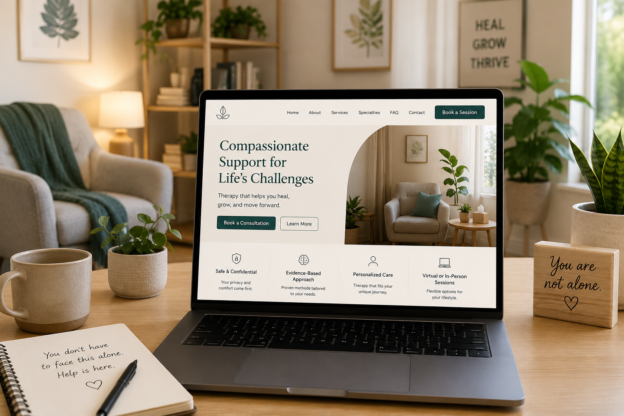
Therapy space of comfort and healing

What Type of Website Converts the Most Visitors Into Counseling Clients?

The type of website that converts the most visitors into counseling clients is a clear, trust-building, service-focused website that makes it easy for people to understand the therapist, the services, and the next step to book an appointment. The best-performing counseling websites answer the visitor’s main questions fast, reduce anxiety, and guide them toward one simple action: reaching out.

If your goal is to turn search traffic into actual clients, your website should feel calm, professional, human, and easy to use. It should not overwhelm visitors with too much text, confusing menus, or vague messaging. People looking for counseling are often already stressed, so the website must make them feel safe, understood, and supported right away.


Why Website Type Matters

Not all websites convert equally well. A general “brochure” website may look nice, but it often fails to bring in clients because it does not speak directly to the visitor’s problem or next step. A high-converting counseling website is built around the visitor’s intent, especially informational intent, where people are searching for answers, reassurance, and possible help. Search intent matters because the website needs to match what the visitor is actually hoping to find.

For counseling, that usually means they want to know: “Can this person help me?”, “Do they understand what I’m going through?”, and “How do I book a session?” The website type that works best is one that answers these questions quickly and clearly. When that happens, visitors are more likely to stay, trust the practice, and contact the counselor.


Best-Converting Website Structure

The most effective counseling websites usually follow a simple structure that is easy to scan and easy to trust. A homepage should explain who the counselor helps, what issues they treat, and how to get started. Service pages should focus on specific concerns like anxiety, depression, trauma, grief, relationship issues, or teen counseling, because people often search for help by problem, not by therapist name.

A strong website also includes an about page that feels personal and reassuring. Visitors want to know the counselor’s background, approach, values, and personality. The more human the site feels, the more likely it is to convert. That is why the best websites are not flashy or complicated—they are direct, compassionate, and easy to navigate.


What High-Converting Counseling Sites Have

A website that converts well usually has a few key traits in common. It makes the value clear above the fold, meaning visitors know immediately what the counselor does and who they help. It also has strong calls to action like “Book a Consultation” or “Contact Me Today” placed in visible spots throughout the site.

Trust signals are also important. These include client testimonials, credentials, licenses, specialties, therapy approach, secure contact forms, and a professional photo. Visitors are more likely to take the next step when they feel the counselor is real, qualified, and approachable. A clean design, fast loading speed, and mobile-friendly layout also help because people often browse therapy websites on their phones.


Pages That Drive Conversions

The pages that usually convert the most are the homepage, service pages, about page, and contact page. The homepage should act like a welcoming front door, guiding visitors to the exact help they need. Service pages work well because they match specific search queries and give detailed answers to common problems.

The about page helps build emotional trust, which is especially important in counseling. The contact page should be simple, with one clear form, phone number, or booking option. Many counseling websites lose leads because they make it too hard to reach out. The easier the contact process, the higher the conversion rate.


Content That Moves People to Act

The best converting content is not overly polished or stuffed with keywords. It is written in simple language that speaks to the visitor’s feelings and concerns. Good counseling website content should explain symptoms, challenges, therapy benefits, and what to expect in the first session. It should also gently reduce fear by showing that asking for help is normal and safe.

Instead of writing in a clinical or stiff tone, the content should sound warm and supportive. People searching for counseling are often looking for relief, not just information. That means your content should help them feel understood while also showing a clear path forward. A blog can support this by answering common questions and bringing in visitors who are still exploring their options.


Features That Improve Leads

Certain features make counseling websites convert better than others. Online appointment booking is one of the biggest ones because it removes friction and makes the next step easy. A short contact form also helps because visitors are more likely to fill out a simple form than a long one.

Other helpful features include a “Start Here” page, FAQ section, testimonial slider, specialty badges, and clear location or telehealth information. If you serve a specific area, local SEO pages can help people find you when they search for counseling near them. If you offer virtual sessions, that should be stated clearly, since many visitors prefer online counseling.


Ideal Website Type for Counseling

The highest-converting type of website for counseling clients is a specialized service website built around one counselor, one practice, or one clearly defined niche. This type of website works better than a generic business site because it feels more personal and more relevant to the visitor’s problem. It shows expertise, builds trust, and makes the decision easier.

For example, a website focused on anxiety counseling for adults will usually convert better for that audience than a broad mental health website with no clear focus. Why? Because visitors feel like they found someone who truly understands their situation. Specificity often wins in counseling because people want a provider who feels like the right fit, not just any provider.


Simple Formula for Better Conversion

If you want a counseling website to convert well, use this simple formula: clear message, strong trust, easy action. Start with a headline that says exactly who you help and how. Then add supporting content that explains your services, your approach, and why someone should trust you.

After that, make the next step obvious. Use one main call to action and repeat it naturally throughout the page. Keep the design calm, clean, and easy to read. The goal is not to impress visitors with fancy design tricks. The goal is to help them feel safe enough to take action.


Converting Websites

The website that converts the most visitors into counseling clients is a focused, professional, and trust-driven service website with clear messaging, specific therapy pages, easy booking, and a warm human tone. It should answer the visitor’s questions quickly, reduce hesitation, and make contacting the counselor as simple as possible. When a counseling website is built around the client’s needs instead of just looking nice, it turns more visitors into real inquiries and booked sessions.
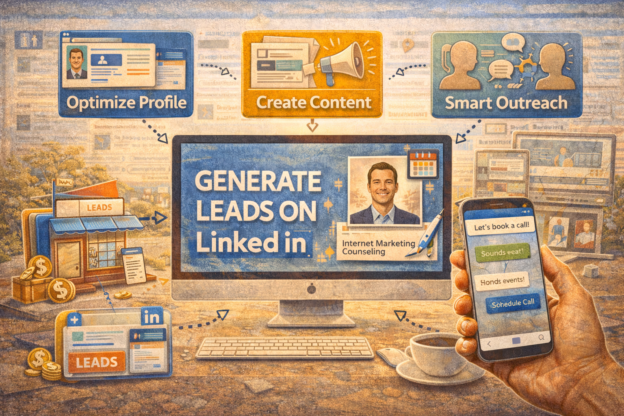
Using LinkedIn to Get More Internet Marketing Counseling Leads

How Can I Use LinkedIn to Get More Internet Marketing Counseling Leads?

Hey there, fellow marketer! If you’re offering Internet Marketing Counseling—like helping businesses crush it with SEO, social media strategies, or email campaigns—LinkedIn is your goldmine. It’s not just a resume dump; it’s a buzzing hub where decision-makers hang out, searching for experts like you. Imagine turning those profile views into paying clients without cold-calling or spamming inboxes. Sounds fun, right? Let’s dive into practical, no-fluff steps to supercharge your lead gen. We’ll cover optimizing your presence, smart content tricks, and outreach that actually works. By the end, you’ll have a playbook to snag those high-quality leads.


Optimize Your LinkedIn Profile: Your 24/7 Lead Magnet

First things first: your profile is like your digital storefront. If it looks boring, visitors bounce faster than a bad ad. People searching “Internet Marketing Counselor” or “digital marketing consultant” on LinkedIn want to see proof you can deliver results. Make yours irresistible.

Start with a killer headline. Ditch the default “Internet Marketing Counselor at XYZ.” Instead, try: “Internet Marketing Counselor | Helping SMBs 3X Leads with SEO & Paid Ads | Book a Free Strategy Call.” This hits search terms while promising value. Add your location if it’s relevant—like “Davao-based” for local flavor—and emojis for pop (e.g., 🚀📈).

Your profile photo? Smile like you’re about to close a deal. Use a professional headshot with good lighting—no selfies in dim rooms. For the banner image, create a custom one (Canva’s free) shouting your value: “Unlock 3X More Leads with Proven Internet Marketing Strategies” overlaid on a sleek graphic of charts climbing up.

Now, the About section—your mini-sales pitch. Write it like a friendly chat: “Tired of wasting ad spend? I counsel businesses on Internet Marketing that actually converts visitors to customers. From SEO audits to LinkedIn lead funnels, I’ve helped 50+ clients boost revenue by 200%. What’s your biggest marketing headache? DM me for a free 15-min audit.” Keep it under 2,600 characters, pack in keywords like “Internet Marketing Counseling,” “lead generation strategies,” and “digital marketing consultant.” End with a call-to-action (CTA): “Let’s chat—message me or grab a spot on my calendar [link].”

Experience and Featured sections are lead gold. List past roles with bullet points of wins: “- Grew client’s leads by 150% via targeted LinkedIn campaigns.” Pin case studies, a lead magnet (like a “Top 10 Internet Marketing Hacks PDF”), or a video testimonial. Skills? Endorse-worthy ones like “SEO,” “Lead Generation,” “Digital Marketing.” Ask connections to endorse you—it boosts visibility in searches.

Pro tip: Turn on Creator Mode. It amps your content reach and adds a “Follow” button, turning viewers into subscribers who see your posts first. Customize your URL to linkedin.com/in/yourname-internetmarketingcounselor. Boom—your profile now ranks higher in LinkedIn searches, pulling in leads on autopilot.


Create Content That Attracts and Converts Leads

Content is king on LinkedIn, especially for service pros like us. People aren’t scrolling for cat videos; they’re hunting solutions to pains like “low leads” or “poor ROI on ads.” Post value-packed stuff around Internet Marketing Counseling, and watch connections flood your inbox.

Aim for 3-5 posts weekly. Mix formats: carousels (PDF slides), polls, short videos (under 60 seconds), and text posts. Topic ideas? Solve real problems: “5 LinkedIn Mistakes Killing Your Internet Marketing Leads (And How to Fix Them).” Use storytelling: “Last week, a client was stuck at 10 leads/month. After my counseling sesh, they hit 45. Here’s the tweak…”

Keywords are your SEO secret sauce. Weave in “Internet Marketing Counseling,” “generate leads on LinkedIn,” “digital marketing leads” naturally. Hashtags? 3-5 per post: #InternetMarketing #LeadGeneration #DigitalMarketingTips #LinkedInLeads #MarketingCounselor.

Polls are lead magnets in disguise. “What’s your top Internet Marketing struggle? A) SEO B) Paid Ads C) Content D) Leads.” Reply to every voter: “Hey [Name], if it’s SEO, I’ve got a free checklist—DM me!” Videos? Record your screen walking through a quick win, like “How I Use LinkedIn Sales Navigator for 20 Leads/Week.”

Carousels shine for depth. Slide 1: Hook (“Want more leads?”). Middle: Steps (“Step 1: Optimize profile…”). Last: CTA (“Comment ‘LEADS’ for my free guide”). Always end with: “Book a counseling call: [calendar link].”

Engage like crazy. Comment thoughtfully on others’ posts in your niche— “Great point on SEO! I saw similar results counseling a client in e-comm.” This exposes you to their audience. Join Groups like “Digital Marketing Professionals” or “Lead Generation Experts.” Share your content there weekly, not spammy.

Track what works with LinkedIn Analytics (unlocks at 100 followers). Double down on high-engagement posts. Offer lead magnets: Free webinars (“LinkedIn Lead Gen Masterclass”), ebooks, or templates. Gate them behind a form (use Google Forms or Leadpages) linked in posts. One counselor I know generated 30 leads from a single carousel—easy peasy!


Master Outreach: From Connections to Paying Clients

Organic reach is great, but proactive outreach turns LinkedIn into a lead machine. Forget spray-and-pray; target folks actively needing Internet Marketing Counseling.

Use Sales Navigator (worth the $80/month). Filters: Job titles like “Marketing Manager,” “Business Owner”; company size 10-200; keywords in posts like “struggling with leads.” Save searches and set alerts for new matches.

Connection requests: Personalize! “Hi [Name], loved your post on ad fatigue. As an Internet Marketing Counselor, I help fix that—let’s connect?” Keep under 300 characters. Aim for 20-50/day to avoid flags. Acceptance rate over 30%? You’re golden.

Follow up with messages. Day 2: Value first. “Thanks for connecting, [Name]! Quick win for your leads: [tip]. What’s one marketing goal you’re chasing?” Day 5: Offer help. “Noticed your company’s growing fast—seen issues with Internet Marketing leads? Happy to share a free audit.” Always CTA: “15-min call? [link].”

InMails for big fish (Sales Navigator perk). Subject: “Quick Idea to 2X Your Leads?” Body: Short, benefit-focused. “Hi [Name], your post on SEO caught my eye. In my counseling, I use LinkedIn tactics that boosted a similar biz by 180%. Free 10-min brainstorm?” Response rates skyrocket with specifics.

Messaging sequences work wonders. Tool like Dux-Soup or Expandi automates ethically (stay under limits). Sequence example:

  1. Connection request + note.
  2. Thanks + tip.
  3. Case study share.
  4. Invite to webinar.
  5. Call booking nudge.

Nurture with content. Add leads to a private newsletter list via LinkedIn’s feature—drip-feed tips leading to counseling offers.

Events are underrated. Host LinkedIn Live: “Internet Marketing Q&A: Get More Leads Today.” Promote via posts, invite connections. Record and repost clips. Or join virtual summits as a speaker—position yourself as the go-to counselor.


Leverage LinkedIn Ads: Scale Your Leads Fast

Ready to level up? LinkedIn Ads target pros precisely. Budget $10-50/day to start.

Lead Gen Forms are magic—no site needed. Ad copy: “Struggling with Internet Marketing Leads? Get My Free 7-Day Plan.” Pre-fills user info, boosting conversions 2-3X. Target: Interests “Digital Marketing,” job “Marketing Director,” skills “SEO.”

Sponsored Content promotes top posts to lookalikes of your clients. Video Ads? Demo a quick counseling win. Retarget profile visitors with “Saw you checked my Internet Marketing tips—ready for personalized advice?”

A/B test: Headlines, images, audiences. Track cost-per-lead (aim under $20). One tweak: Add urgency—”Limited Spots for Free Counseling Calls.”

Integrate with CRM like HubSpot (free tier). Auto-sync leads for follow-up.


Measure, Tweak, and Scale for Non-Stop Leads

Success isn’t guesswork. Use LinkedIn Analytics + Google Analytics (UTM tags on links). Key metrics:

  • Profile views: Up 50%? Optimization working.
  • Post impressions/engagements: 5%+ rate? Content gold.
  • Connection accepts: 30%+? Outreach on point.
  • Leads from forms/calls: Track source.

Weekly review: What got 10+ DMs? Replicate. Flops? Pivot.

Scale by outsourcing: VA for connections, you focus on counseling. Build a team or agency vibe.

Real talk: Consistency wins. Post daily, outreach 30 mins/day—leads compound. I coached a counselor who went from 2 to 45 leads/month in 90 days. You can too!

There you have it—a light-hearted roadmap to LinkedIn lead nirvana for your Internet Marketing Counseling biz. Start with profile tweaks today, post tomorrow, outreach this week. Your first lead is one connection away. What’s your first move? Drop it in the comments!

How Do I Follow Up with Leads Without Feeling Pushy

How Do I Follow Up with Leads Without Feeling Pushy?

You’re in the middle of a conversation with a potential client, waiting for a reply, and you’re not sure if you should send that follow-up email. You’d love to check in, but that nagging worry pops up—am I being too pushy? Most of us have been there. Whether you’re in sales, marketing, or running your own business, balancing enthusiasm with respect for your leads’ time can feel tricky. The good news is, you can follow up confidently, maintain your relationships, and still avoid those feelings of awkwardness.


Start with Empathy: Put Yourself in Their Shoes

You probably know how it feels to receive repeated emails or calls from someone eager to close a deal. Imagine what your leads might be juggling. They could have hectic schedules, a buzzing inbox, or simply need time to evaluate their options. When you empathize with their situation, your communication becomes naturally considerate.

Make your follow-ups friendly and understanding right from the start. Use language that puts the spotlight on their needs, not yours. Instead of a generic “Just checking in—are you ready to buy?” try something like, “I wanted to see if there’s anything else I can help you with as you’re considering your options.” This phrasing is supportive without pressuring your lead to make a decision immediately.

Recognize that a polite pause sometimes helps your potential clients make the best choice. If you ever catch yourself crafting a message that feels more about your quota than their benefit, pause and adjust your approach. Leads appreciate when you’re focused on what’s best for them.


Provide Value with Every Follow-Up

One of the easiest ways you can follow up without feeling pushy is by consistently adding value to each interaction. It’s much easier to ping someone when you have something useful to share! Every time you reach out, offer a nugget of insight, a helpful tip, or an update that could genuinely benefit your lead.

Before sending that message, ask yourself, “Will this help them or just remind them I’m here?” If it’s just a reminder, wait until you have something worth sharing. For example, you might say, “I came across this article about how companies like yours are simplifying their daily workflow, and thought you’d enjoy it!” By being helpful, you demonstrate that you’re invested in their success, not just their signature on a contract.

You could send a resource, answer an open question, or provide a case study of how another client solved a similar problem. Maybe you share an announcement about a new feature that saves clients time, or relay an industry trend they might find relevant. Each valuable touchpoint positions you as a trusted advisor, not a salesperson who’s just following up for the sake of following up.


Be Transparent with Your Intentions

It’s easy to worry about sounding pushy when you’re not clear about why you’re reaching out. You can set the tone from your first communication so future check-ins don’t feel awkward for either side. Let your lead know that you’ll be following up and respect their preferences around timing and method.

You might say, “I’d love to touch base next week to see if you have any questions—please let me know if another time works better.” This gives your leads control over the process, reducing the risk of frustration. If they respond, “Let’s wait until next month,” you can make a note to check in at that point, removing any ambiguity and stress.

Transparency helps you build trust and keeps you from feeling like you’re nagging. When your leads know what to expect, your follow-ups blend naturally into their routine. If you ever feel uncertain, ask for feedback about your timing and communication. You’ll be surprised by how openly people will tell you what feels good and what doesn’t.


Use Multiple Touchpoints But Space Them Out

You’re probably tempted to reach out several times in quick succession when you don’t get an answer. Resist the urge to do this! Space your follow-ups at polite intervals that signal you respect your lead’s time and bandwidth.

For most situations, one or two follow-ups spaced a few days apart is usually appropriate. After that, try waiting a week or two, unless the lead specifically asked for a quicker update. Scheduling reminders for yourself can help ensure you don’t forget, but your lead will appreciate you moving at a comfortable pace.

Don’t just rely on email, either. If your relationship with the lead is strong, consider switching the channel occasionally. You can send a LinkedIn message, check in through a quick phone call, or even reply to their latest social post with something relevant. The key is to keep each touchpoint natural and timely, never forced.

Dropping an occasional friendly note—especially if it’s outside the usual business context—can help keep you top-of-mind. Maybe you congratulate them on a recent company accomplishment, comment on a shared interest, or provide an update on something they previously expressed curiosity about.


Personalize Every Message

Nobody wants to feel like just another entry on your spreadsheet. You can avoid sounding pushy by tailoring each message to the specific person and situation. Reference previous conversations, mention their concerns, and be sincere in your language.

Personalization lets your leads know you actually remember them as individuals, not just as opportunities. Internalize their business challenges and goals, and your follow-ups will make them feel understood instead of pressured.

If you have notes from your initial chat, use them! Try something like, “Hi Emily, I recall you mentioned looking for ways to automate your reporting. I found this tool that might fit your needs.” This direct and personalized approach shows you’re listening, and it reassures leads that you care about more than just closing the deal.


Give Permission to Decline or Delay

No matter your industry, it’s inevitable that some leads aren’t ready—or may never be ready—to engage further. When you signal early on that it’s perfectly okay for them to pass or wait, you greatly reduce the tension in your follow-ups.

You can wrap up your message with a line like, “If you’re not ready to move forward, please let me know—no problem at all!” This opens the door for honest conversation and saves both sides dissatisfaction. Often, leads who feel free to say “not now” are more likely to return later when they’re ready.

If someone has decided not to move forward, thank them for their time anyway. You’ve maintained a professional relationship, and you never know when a polite farewell can turn into a future opportunity.


Make Your Timing Work for Your Leads

Respecting your leads’ time isn’t just polite—it’s essential for staying in their good graces. Research has shown that following up on Tuesdays and Wednesdays mid-morning often generates higher response rates. If you know they’re out of the office, or if they’re finishing a big project, time your follow-up for when they’re most likely to answer.

It’s okay to ask leads when would be the best time to circle back. This small gesture can work wonders to show them you value their schedule. Being flexible with timing also keeps the process stress-free, giving leads breathing room without you ever coming across as impatient.


Keep Your Tone Friendly and Light

You truly can follow up without anxiety when you lean into a light-hearted, conversational style. Humor (used appropriately) and warmth invite people to respond. Aim for a tone that feels genuine, and don’t be afraid to sprinkle in simple pleasantries.

A little personality goes a long way. A quick, “Hope you’re having a great week!” or “Let me know if you have any fun weekend plans!” infuses your message with life. This approach distinguishes your outreach from bland, transactional communication, and helps you build relationships that last beyond just initial sales.

You don’t have to overthink every word. Authenticity, friendliness, and respect are your best tools for making each follow-up comfortable and effective.


Track and Adjust Your Approach

Not every strategy works for every audience, so you’ll benefit from tracking which follow-ups work best. Pay attention to who responds, when, and from which messages. If you notice certain approaches feel more comfortable, lean into those tactics going forward.

Ask for feedback whenever the opportunity comes up. If you sense any resistance, don’t be afraid to check in: “I want to make sure these follow-ups are helpful for you. If you ever prefer less frequent updates, just let me know!”

This willingness to adjust reassures your leads and keeps your outreach friendly. You’ll improve your technique while nurturing relationships over the long term.


Confident, Comfortable Follow-Ups Can Be Your Strength

You really don’t have to choose between persistence and politeness. When you balance empathy, value, transparency, and personalization, you’ll find that following up with leads becomes much easier and far less stressful. You’ll build trust, maintain respect, and avoid that dreaded “pushy” label.

Remember, you’re not interrupting, you’re offering help at each stage. By giving leads space to decide and focusing on what matters to them, you transform every follow-up into an opportunity for connection.

Give yourself permission to be light-hearted, attentive, and sincere. The people you’re reaching out to will feel it, and your relationships (and results) will improve.

How Do I Create a Content Plan That Brings In New Counseling Clients

How Do I Create a Content Plan That Brings In New Counseling Clients?

If you’re wondering how to create a content plan that attracts new counseling clients, you’re in the right place. This post breaks down the process into clear steps so you can build a steady stream of clients through smart, focused content. Let’s dive in.


Understand Your Ideal Client First

Before you create any content, get to know who you want to reach. Who are your ideal counseling clients? What challenges and questions do they have? Knowing this helps you create content that speaks directly to them.

  • Think about their age, gender, background, and lifestyle.
  • Identify the specific problems they want to solve through counseling.
  • Consider where they spend time online and what types of content they prefer (blog posts, videos, or social media).

Answering these questions will make your content more relevant and useful to the people searching for help.


Choose Topics That Solve Their Problems

Once you know your ideal clients, choose topics that answer their questions and address their pain points. People searching for counseling want clear, helpful information to guide their decision.

Here’s how to pick smart topics:

  • Use your clients’ common questions as seeds for blog ideas.
  • Address fears or doubts they might have about counseling.
  • Create how-to guides on coping skills, stress management, or relationship advice.
  • Write about what to expect during counseling sessions and how to prepare.

When your content shows empathy and understanding, it builds trust and encourages people to reach out to you.


Create a Consistent Publishing Schedule

Consistency matters. Posting regularly keeps your audience engaged and helps your website rank better on search engines. Pick a schedule that works for you and stick to it.

  • Start with one blog post a week or two per month, depending on your availability.
  • Promote your new posts on social media and via email newsletters.
  • Repurpose your best content into other formats like videos or infographics.

A steady flow of fresh content helps you stay visible and stay top of mind for people looking for counseling.


Optimize Content for Local and Online Discovery

Many people prefer counseling options nearby. Make sure your content helps them find you easily.

  • Include your location in blog posts and website pages.
  • Use local keywords like “counseling in [your city]” naturally in your text.
  • Register your practice on Google My Business and other local directories.
  • Encourage satisfied clients to leave reviews, which boost your online presence.

When people search for local counseling, these steps help your website appear higher in search results.


Use Clear Calls to Action That Guide Visitors

Every piece of content should gently invite people to take the next step.

  • Include calls to action like “Book a free consultation” or “Contact me to learn more.”
  • Offer freebies like downloadable tip sheets or short guides in exchange for their email address.
  • Make it easy to find your contact details and scheduling options on every page.

Guiding visitors clearly increases the chances they become actual clients.


Track and Adjust Your Content Plan

Creating a content plan doesn’t end once you hit publish. You need to track results and adjust based on what works best.

  • Use Google Analytics to see which blog posts get the most visitors.
  • Pay attention to what questions or topics generate the most inquiries.
  • Adjust your content plan regularly to focus on high-interest areas.

Keeping an eye on performance helps you create smarter content that brings in more clients over time.


So How To Create a Content Plan That Attracts New Counseling Clients?

Creating a content plan to attract counseling clients is about knowing your audience, offering useful information, and being consistent. Focus on topics that matter, optimize for local searches, and always guide visitors toward contacting you. With a clear plan, your online content can become your best client magnet. Would you like tips on how to promote your content once it’s ready?

How to Position Yourself as an Expert in Internet Marketing Counseling

How to Position Yourself as an Expert in Internet Marketing Counseling

If you want to stand out as an expert in internet marketing counseling, you need to build trust, show your knowledge, and keep learning. It’s not just about having fancy titles or certifications. You have to prove your value to your audience in a clear and helpful way. Here’s how you can do that and become the go-to person clients turn to for internet marketing advice.


Build Your Personal Brand With Authenticity

People want to work with someone who feels real and confident. Start by sharing your story and what got you interested in internet marketing counseling. Tell your audience about your successes and failures. When you are honest about your journey, people will connect with you more.

Keep your brand consistent across all platforms. Use the same photo, name, and style on social media, your website, and any presentations or blogs. This consistency helps people remember you and trust you more.

Create content that speaks directly to your ideal clients. Show that you understand their problems and have solutions that actually work. Use simple words and clear examples. Remember, helpful content makes you look like the expert.


Master Key Internet Marketing Skills

To be an expert, you must know the core internet marketing tools inside out. Study topics like SEO, email marketing, social media strategies, and paid advertising. When clients see that you know these areas well, they feel more confident in your advice.

Don’t just learn theory—practice it by running your own campaigns or helping small businesses. Experience is the best teacher. Share your results and how you achieved them. This proof builds your credibility.

Also, stay updated with changes in algorithms, new marketing platforms, and trends. Internet marketing changes fast. Clients look for experts who know what’s current and can keep them ahead.


Network and Collaborate With Other Experts

No one becomes an expert alone. Join internet marketing groups online and offline where professionals share ideas and advice. Ask questions and share your tips too. This helps you learn but also shows others that you are serious and knowledgeable.

Partner with other experts or influencers to co-create content like webinars or guest blog posts. This can widen your reach and position you as a trusted expert. When respected people vouch for you, others will follow.

Always be open to helping others and offering free advice in your niche. When people see you giving value without asking for anything right away, they naturally consider you as a go-to resource.


Deliver Consistent, Valuable Client Results

Your best proof of expertise is the success of your clients. Focus on helping them reach their marketing goals. Customize your advice and strategies to fit their unique needs.

Ask for testimonials and case studies to highlight how you helped others. Show these stories on your website and social media. Real results attract new clients who want the same success.

Never stop learning and improving your methods. The more value you provide, the stronger your expert reputation will grow.


Start Today and Keep Growing

Positioning yourself as an expert in internet marketing counseling takes time, but every step counts. Build a brand that your audience trusts. Master important skills and stay current with trends. Network with other pros and share your knowledge freely. Most importantly, focus on delivering real results that people can see.

You can do this by taking small actions every day. Write a blog post, join a LinkedIn group, run a small campaign, or reach out to a potential collaborator. Keep going, and watch your expert status grow along with your business. You’ve got this!

Which marketing channels work best for promoting Internet Marketing Counseling

Which Marketing Channels Work Best for Promoting Internet Marketing Counseling?

Promoting internet marketing counseling means finding the right place to connect with your audience. You want to use channels that bring you the best attention without wasting time or money. So, which marketing channels work best for promoting internet marketing counseling? Let’s break it down step-by-step with clear, simple answers.


Social Media Marketing: The Go-To Channel

Social media is the top way to reach your audience today. People spend a lot of their time scrolling through platforms like Facebook, Instagram, LinkedIn, and Twitter. You should be there too!

  • Facebook helps you create targeted ads and build communities through groups.
  • Instagram is perfect if you want to share quick tips, client success stories, and engaging videos.
  • LinkedIn stands out because it’s full of professionals looking for business advice like yours.
  • Twitter works well to share updates, interact with followers, and join conversations about marketing trends.

You can post regular, helpful content on these platforms to attract people interested in internet marketing counseling. Use live videos, stories, and polls to connect more personally.


Content Marketing: Show Off Your Expertise

People searching for internet marketing counseling want answers and trust. Content marketing is a strong channel because it lets you share your knowledge and build trust with your audience.

  • Create detailed blog posts that answer common questions.
  • Write helpful guides that explain internet marketing basics.
  • Produce videos or webinars showing real examples and tips.
  • Use infographics to break down complex ideas clearly.

When you post useful content regularly, Google starts showing you to more people. Plus, your audience will keep coming back because they see you as an expert.


Email Marketing: Stay Connected and Build Relationships

Email marketing remains powerful for promoting services like internet marketing counseling. Why? Because it lets you speak directly to interested people in a personal way.

  • Send newsletters with tips, updates, and special offers.
  • Share success stories or case studies.
  • Provide limited-time discounts on your counseling sessions.
  • Use personalized emails to check in with your contacts and answer their questions.

Email marketing keeps your audience engaged and ready to take action when they are ready. Building an email list should be one of your top priorities.


Paid Advertising: Reach Your Ideal Customers Fast

Sometimes organic marketing takes time, and you want quick results. Paid advertising helps you target the exact audience you want instantly.

  • Use Google Ads to show your service when people search for terms like “internet marketing counselor near me.”
  • Try Facebook Ads to find users interested in marketing and business coaching.
  • Experiment with LinkedIn Ads to reach professionals and business owners.

Paid ads work best when you narrow down your audience by location, job title, interests, and behavior. This way, your budget focuses only on people who really might buy your counseling.


Collaborations and Partnerships: Expand Your Reach

Working with other professionals can open new doors for you. Partnerships with agencies, influencers, or marketing bloggers help you gain visibility.

  • Partner with marketing bloggers to write guest posts.
  • Collaborate with small business coaches.
  • Join online marketing communities and offer free workshops or webinars.
  • Network in relevant LinkedIn groups or at industry meetups.

These connections often share your work with their audience, giving you new potential clients who trust these sources.


SEO: Make Sure People Find You on Google

Search Engine Optimization (SEO) is the backbone of online marketing counseling promotions. When people type questions or phrases about marketing help in Google, you want to be on the first page.

  • Use keywords like “internet marketing counseling,” “marketing advice online,” or “digital marketing coach.”
  • Optimize your website and blog content with these keywords.
  • Build backlinks by linking with other trusted sites.
  • Make sure your site loads fast and works well on phones.

When done right, SEO brings steady, long-term visitors who are already looking for your services.


Video Marketing: Capture Attention Quickly

Videos are a great way to explain what you do in simple, engaging ways. If you’re comfortable in front of the camera, video marketing should be part of your plan.

  • Use YouTube to post educational and quick tip videos.
  • Share short clips on TikTok and Instagram Reels to grab attention.
  • Host live Q&A sessions to directly answer questions from your audience.

Videos help people get a feel for your style and trust your expertise faster than text alone.


Your Best Channels for Internet Marketing Counseling

To promote your internet marketing counseling, you want to mix channels that bring trust, target the right people, and build lasting relationships. Focus on social media platforms like Facebook, LinkedIn, and Instagram to engage your audience daily. Use content marketing to prove your expertise and keep people interested. Don’t forget email marketing for personal connection and paid ads when you want fast results. Build strong partnerships and practice good SEO so people find you easily online. Finally, add videos to explain your services in an easy, fun way.

By using these channels together, you’ll attract more clients and grow your internet marketing counseling business effectively. Start with what fits your style and watch your audience grow step-by-step.

social proof to attract more Internet Marketing Counseling clients

How to Use Social Proof to Attract More Internet Marketing Counseling Clients

If you want to grow your internet marketing counseling business, using social proof is one of the smartest moves you can make. Social proof shows potential clients that others trust and value your services. When people see that others have had great experiences with you, they feel more confident in choosing your help. Let’s explore how you can use social proof effectively to attract more clients.


What Is Social Proof and Why Does It Matter?

Social proof means people look to others for cues on what to believe or do, especially when they’re unsure. For your business, it’s the proof that others liked your counseling and got results. This can come in many forms, such as testimonials, case studies, reviews, or even social media shoutouts. When you show social proof, you reduce the hesitation potential clients might feel. They see that your service delivers real value, which makes them more likely to reach out.

Using social proof taps into human nature—people trust other people’s experiences more than sales claims. In the crowded world of internet marketing, standing out with social proof strengthens your credibility and motivates action.


Showcase Client Success Stories Clearly

One of the most powerful ways to use social proof is by sharing clear client success stories. When you showcase how your counseling helped someone achieve specific goals, others can imagine similar results for themselves. Use real numbers or outcomes if possible, like growth in website traffic or increased sales after your advice.

Make these stories easy to find on your website or blog. Create a dedicated “Success Stories” section or highlight them in your newsletter. Use simple language to describe the challenges your clients faced, the strategies you provided, and the results they experienced. Adding photos or video testimonials makes these stories even more believable and engaging.

Make sure to get permission from your clients before sharing their stories. Authenticity is key—real experiences resonate best and build trust quickly.


Encourage and Display Reviews Everywhere

Another way to build social proof is by encouraging happy clients to leave reviews. These reviews can be on your website, Google My Business, social media pages, or marketing platforms like LinkedIn. Positive reviews boost your online reputation and increase your chances of showing up in search results.

To get more reviews, simply ask your satisfied clients after a counseling session. Make it easy by sending them links to the review sites or a simple feedback form. Thank them warmly for their time—it shows you care about their experience.

Don’t hesitate to display these reviews prominently. Add a widget on your website’s homepage or create a rotating slider of recent reviews. Seeing multiple opinions from different clients builds a strong sense of reliability and professionalism that draws in new clients.


Leverage Social Media Mentions and Engagement

Social media is a great place to amplify social proof. Encourage clients to mention or tag you when sharing their successes. When they post positive comments or testimonials on platforms like Facebook, Instagram, or Twitter, it spreads the word to a broader audience.

You can also share client mentions on your own social profiles. Reshare their posts, comment with appreciation, and celebrate their wins publicly. This shows you value your clients and their success, which appeals to anyone watching.

Regularly posting your own content that highlights your expertise, combined with social proof from clients, creates a powerful combination. People get to know you, trust your advice, and see the results you produce.


Bonus Tip: Use Numbers and Logos When Possible

If you’ve worked with recognizable companies or have impressive numbers like “over 100 clients served” or “clients increased revenue by 50%,” share those facts. Numbers and logos offer quick, digestible proof that catches attention and boosts authority instantly.

Place these highlights on your homepage, sales pages, and marketing materials for maximum impact. The key is to keep it truthful and clear so visitors can absorb the value you offer at a glance.


Final Thoughts

Social proof is the secret ingredient for persuading potential clients to pick your internet marketing counseling over others. Showcasing authentic testimonials, encouraging reviews, leveraging social media, and sharing your wins with numbers helps build trust and credibility. When you use these social proof tactics well, clients will naturally be drawn to your services. Start gathering and sharing social proof today to watch your client base grow!

This approach will help you attract more clients efficiently by answering exactly what they want to know when searching online: proof that your counseling works. Keep your language clear, your stories real, and your presence active—and success will follow.

Whats the Best Way to Build Trust with Potential Counseling Clients Online

What’s the Best Way to Build Trust with Potential Counseling Clients Online?

You want to attract counseling clients online and convince them to trust you before they even say hello. Building trust online is different than earning it face-to-face, but it’s absolutely doable when you understand what future clients really want to feel: safety, warmth, and genuine understanding. Let’s break down the essentials so you can confidently turn potential clients into actual ones!

Authentic Connection Starts Before the First Session

You might think trust-building starts during your first session. In reality, it kicks off much earlier—whenever someone lands on your profile, website, or social media. People seeking counseling online are often in a vulnerable place and need to sense that you’re safe, understanding, and professional from your very first digital impression.

  • Your website should speak directly to your future client’s emotional experience, not just list credentials or therapeutic approaches. People aren’t searching for jargon; they want to know you get how they feel and why they’re seeking help.
  • Use photos and videos where you greet visitors and share your story. You’ll instantly seem more approachable. Even a short introductory video builds a bridge so prospects hear your tone, see your smile, and sense your genuine personality—and that’s trust in action.
  • Display reviews and testimonials from actual clients. This is not just for credibility; it reassures visitors that they aren’t alone and others have benefited from your help.

Clear, Consistent Communication Builds Trust

You know how good communication calms nerves in person—but online, it’s absolutely crucial to earn trust. Your emails, chat responses, and even website copy need to be clear, gentle, and reassuring. You want people to feel you’re not just knowledgeable but also truly paying attention to their worries.

  • Respond promptly and kindly to all inquiries; even a quick “Thanks for reaching out! I’ll get back to you soon” helps visitors feel seen and respected.
  • Set expectations about online sessions: explain how it works, what technology is needed, and what steps you’ll take to ensure privacy.
  • Offer a first session with minimal commitment and allow questions before they sign up. Invite them to ask anything—about your style, session process, and even your experience working with certain challenges.

And don’t forget—be vulnerable yourself! If you’re open about your limitations, preferences, and how you handle difficulties (without oversharing), people will feel you’re authentic.

Show That You Care: Presence and Collaboration

Online counseling requires you to be intentional about how you show you are present and emotionally available to clients. You don’t have body language and office ambiance as built-in trust-builders, so you need to get creative online.

  • Meet clients where they are emotionally, and allow them to set the pace of their sessions. Don’t rush topics; instead, be patient and check in frequently with how they’re feeling.
  • Use collaborative language in your website, emails, and during sessions. Show you’re eager to negotiate goals, listen to their views, and adapt your approach so they always have a voice.
  • Regularly ask how the online counseling process feels for them. This can be via small surveys, end-of-session check-ins, or a simple question in your emails. By actively seeking their feedback, you give them control and demonstrate respect for their preferences.

Make Everything Easy, Safe and Predictable

Potential clients need to know counseling with you won’t be confusing, intimidating, or high-pressure. Everything about your online presence should make the journey to work with you feel easy, safe, and predictable.

  • Your website and forms should look professional and be easy to navigate. Simple scheduling options and clear calls-to-action are must-haves.
  • Spell out your confidentiality policies in clear, friendly language. Most people worry about privacy when it comes to therapy, so proactive reassurance here builds trust.
  • Let clients know what to expect, step-by-step: what happens before, during, and after a session. The more transparent you are about processes (including fees, cancellation policies, and session structure), the less anxious and more trusting they’ll feel.
  • Be consistent with branding, email tone and scheduling reminders. When everything matches—your colors, your style, your tone—clients sense you’re reliable and organized.

Prioritize Empathy, Warmth and Active Listening

When someone is considering sharing personal challenges with you, they’re looking for evidence you’ll be empathetic, warm, and a good listener. Online, you have to work even harder at this by the words and gestures you choose.

  • Use reflective listening skills in every interaction—not just sessions, but emails and chats. Validate their feelings, acknowledge their concerns and avoid canned responses.
  • Reinforce unconditional positive regard: show acceptance, patience, and zero judgment, even before you meet.
  • Share your excitement for supporting each client as an individual. When you call out client strengths—such as perseverance or resilience—it helps them feel safe and optimistic about working with you.

Offer Value Before They Commit

To build trust with clients who haven’t booked with you yet, give them something useful without strings attached.

  • Provide free resources: blog posts, short guides, or videos on topics your ideal clients care about. Proving your helpfulness before any commitment shows your generosity and builds confidence in your expertise.
  • Answer FAQs honestly and thoroughly in your email responses or website content. The more you educate and clarify before payment, the more likely they’ll trust you’re acting in their best interest.
  • Invite questions about therapy approaches and progress. When you encourage curiosity and conversation, you signal openness and flexibility.

Build Community and Foster Belonging

You want future clients to feel they belong from the moment they discover your online presence. Humans trust those who make them feel part of something bigger.

  • Host occasional live webinars or Q&A sessions where you share advice and listen to community questions. Even informal virtual hangouts add warmth and a sense of human connection.
  • Use email newsletters or social channels to share stories, mental health tips, or messages of hope. When people see you communicate regularly, not just for selling sessions, they sense that you care about the wider community.
  • Encourage discussion—invite website visitors to comment on articles or ask questions about therapy. You create a two-way street, rather than a “just business” relationship.

Lead with Professionalism, Reliability and Boundaries

Nobody wants to entrust their struggles to someone who seems flighty or unreliable. Show respect by sticking to a professional code of conduct and clear boundaries online.

  • Always show up on time for scheduled calls—punctuality builds respect and trust faster than almost anything.
  • Make your credentials and experience visible throughout your website, but balance this with warmth and relatability.
  • Be reliable with reminders, invoices, and follow-up messages. Consistency is comforting!

Honesty About the Process and Progress

Be upfront about therapy’s ups and downs, so clients trust you’re not promising quick fixes. Share your approach to progress tracking and discuss what realistic milestones look like.

  • Let clients know they are not obligated to share everything right away; therapy can be gradual.
  • Be honest if a particular approach isn’t working, and brainstorm solutions together. This collaborative honesty can transform doubt into trust.

Building Trust Is an Ongoing Process

You can’t earn trust instantly, but you can create the conditions where it blooms. By communicating authentically, making everything easy and predictable, and consistently showing empathy and professionalism, you make it easier for clients to say “yes”—and stick around for the journey.

Remember: every time you interact online, you get the chance to reassure, validate, and support. If you focus on connection, clarity and client comfort, you’ll build trust with future counseling clients faster and more lastingly than you ever thought possible.


Ready to build trust today?

Start by updating your online presence to include approachable language, clear policies, and testimonials. Offer free resources to show your value. Remember, what you say—and how you say it—matters even before the first session. Invite your potential clients to share, question, and connect. When you create a welcoming digital environment, their trust (and engagement) naturally follows.

How Do I Market My Internet Marketing Counseling Services Effectively

How Do I Market My Internet Marketing Counseling Services Effectively?

Marketing your Internet Marketing Counseling services effectively boils down to connecting with the right audience online, showcasing your expertise clearly, and continuously building trust through useful and engaging content. You want to stand out where clients are searching for help with their internet marketing challenges and guide them confidently toward hiring you.

Understand and Target Your Ideal Clients

First, get very clear on who exactly benefits most from your Internet Marketing Counseling. Are you serving small business owners, startups, freelancers, or established companies wanting to improve their campaigns? Once you know this, research what phrases or questions these potential clients type into Google when they look for help—using tools like Google Keyword Planner is a smart move. Choose specific, long-tail keywords (phrases with 3 or more words) that match their intent, such as “how to improve online ad ROI” or “internet marketing help for startups.” This focused targeting improves your chances of showing up in search results that matter, driving qualified traffic to your site.

Create Quality, Helpful Content That Answers Their Questions

You want to be the go-to expert showing you understand their struggles and know solutions. Write blog posts, guides, or videos explaining common marketing issues, like “Creating Effective Google Ads Campaigns” or “5 Social Media Strategies for Small Businesses.” Keep these clear and easy to understand with a light, conversational tone, speaking directly to “you” — your readers. Useful information makes people stay longer on your site and share your content, boosting your visibility organically. Also, update your content regularly to keep it fresh and relevant because search engines love that.

Use SEO to Boost Your Website’s Visibility

For your website, make sure your content uses the chosen keywords naturally in titles, headers, and descriptions. Fast loading times and mobile-friendly design are critical since many clients search on phones. Optimizing these factors improves your ranking and user experience. Additionally, getting backlinks from respected marketing blogs or partners will raise your site’s authority with search engines.

Invest Wisely in Paid Advertising

To get faster results, consider Google Ads targeting your keywords. This allows your counseling service to appear right when someone searches for help and increases your chances to capture their attention. Also, advertise on social platforms like Facebook or LinkedIn, where precise demographic and interest targeting helps you reach your ideal client profile. Craft your ads with clear, engaging messages that speak directly about the benefits and solutions you offer. Track your campaign results closely and adjust based on what performs best.

Build Trust with Social Proof and Personal Connection

Potential clients want to feel confident hiring you. Showcase testimonials or success stories (with permission) to highlight real outcomes for others you helped. Offering a free initial consultation or a brief phone call can reduce hesitation and create a personal connection. Also, email marketing is a powerful tool for nurturing leads and keeping your audience engaged with valuable tips and updates about your services.

Engage Beyond Your Website

Social media isn’t just for ads—you can share tips, answer questions, and join conversations related to internet marketing challenges your audience faces. Use platforms that suit your clients’ habits and stay active with helpful posts, videos, or even live Q&A sessions. This builds your reputation as a helpful professional and keeps you visible in your niche community.

By focusing on these clear, targeted strategies—defining your audience, producing valuable content, optimizing your online presence, using paid ads smartly, and building trust through genuine connections—you’ll effectively market your Internet Marketing Counseling services and attract the clients eager for your expertise.