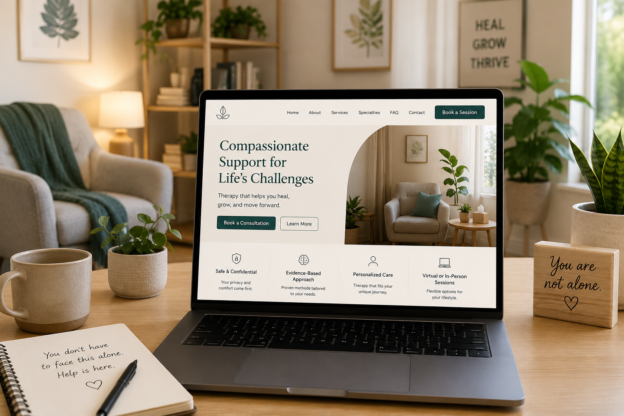
The type of website that converts the most visitors into counseling clients is a clear, trust-building, service-focused website that makes it easy for people to understand the therapist, the services, and the next step to book an appointment. The best-performing counseling websites answer the visitor’s main questions fast, reduce anxiety, and guide them toward one simple action: reaching out.
If your goal is to turn search traffic into actual clients, your website should feel calm, professional, human, and easy to use. It should not overwhelm visitors with too much text, confusing menus, or vague messaging. People looking for counseling are often already stressed, so the website must make them feel safe, understood, and supported right away.
Why Website Type Matters
Not all websites convert equally well. A general “brochure” website may look nice, but it often fails to bring in clients because it does not speak directly to the visitor’s problem or next step. A high-converting counseling website is built around the visitor’s intent, especially informational intent, where people are searching for answers, reassurance, and possible help. Search intent matters because the website needs to match what the visitor is actually hoping to find.
For counseling, that usually means they want to know: “Can this person help me?”, “Do they understand what I’m going through?”, and “How do I book a session?” The website type that works best is one that answers these questions quickly and clearly. When that happens, visitors are more likely to stay, trust the practice, and contact the counselor.
Best-Converting Website Structure
The most effective counseling websites usually follow a simple structure that is easy to scan and easy to trust. A homepage should explain who the counselor helps, what issues they treat, and how to get started. Service pages should focus on specific concerns like anxiety, depression, trauma, grief, relationship issues, or teen counseling, because people often search for help by problem, not by therapist name.
A strong website also includes an about page that feels personal and reassuring. Visitors want to know the counselor’s background, approach, values, and personality. The more human the site feels, the more likely it is to convert. That is why the best websites are not flashy or complicated—they are direct, compassionate, and easy to navigate.
What High-Converting Counseling Sites Have
A website that converts well usually has a few key traits in common. It makes the value clear above the fold, meaning visitors know immediately what the counselor does and who they help. It also has strong calls to action like “Book a Consultation” or “Contact Me Today” placed in visible spots throughout the site.
Trust signals are also important. These include client testimonials, credentials, licenses, specialties, therapy approach, secure contact forms, and a professional photo. Visitors are more likely to take the next step when they feel the counselor is real, qualified, and approachable. A clean design, fast loading speed, and mobile-friendly layout also help because people often browse therapy websites on their phones.
Pages That Drive Conversions
The pages that usually convert the most are the homepage, service pages, about page, and contact page. The homepage should act like a welcoming front door, guiding visitors to the exact help they need. Service pages work well because they match specific search queries and give detailed answers to common problems.
The about page helps build emotional trust, which is especially important in counseling. The contact page should be simple, with one clear form, phone number, or booking option. Many counseling websites lose leads because they make it too hard to reach out. The easier the contact process, the higher the conversion rate.
Content That Moves People to Act
The best converting content is not overly polished or stuffed with keywords. It is written in simple language that speaks to the visitor’s feelings and concerns. Good counseling website content should explain symptoms, challenges, therapy benefits, and what to expect in the first session. It should also gently reduce fear by showing that asking for help is normal and safe.
Instead of writing in a clinical or stiff tone, the content should sound warm and supportive. People searching for counseling are often looking for relief, not just information. That means your content should help them feel understood while also showing a clear path forward. A blog can support this by answering common questions and bringing in visitors who are still exploring their options.
Features That Improve Leads
Certain features make counseling websites convert better than others. Online appointment booking is one of the biggest ones because it removes friction and makes the next step easy. A short contact form also helps because visitors are more likely to fill out a simple form than a long one.
Other helpful features include a “Start Here” page, FAQ section, testimonial slider, specialty badges, and clear location or telehealth information. If you serve a specific area, local SEO pages can help people find you when they search for counseling near them. If you offer virtual sessions, that should be stated clearly, since many visitors prefer online counseling.
Ideal Website Type for Counseling
The highest-converting type of website for counseling clients is a specialized service website built around one counselor, one practice, or one clearly defined niche. This type of website works better than a generic business site because it feels more personal and more relevant to the visitor’s problem. It shows expertise, builds trust, and makes the decision easier.
For example, a website focused on anxiety counseling for adults will usually convert better for that audience than a broad mental health website with no clear focus. Why? Because visitors feel like they found someone who truly understands their situation. Specificity often wins in counseling because people want a provider who feels like the right fit, not just any provider.
Simple Formula for Better Conversion
If you want a counseling website to convert well, use this simple formula: clear message, strong trust, easy action. Start with a headline that says exactly who you help and how. Then add supporting content that explains your services, your approach, and why someone should trust you.
After that, make the next step obvious. Use one main call to action and repeat it naturally throughout the page. Keep the design calm, clean, and easy to read. The goal is not to impress visitors with fancy design tricks. The goal is to help them feel safe enough to take action.
Converting Websites
The website that converts the most visitors into counseling clients is a focused, professional, and trust-driven service website with clear messaging, specific therapy pages, easy booking, and a warm human tone. It should answer the visitor’s questions quickly, reduce hesitation, and make contacting the counselor as simple as possible. When a counseling website is built around the client’s needs instead of just looking nice, it turns more visitors into real inquiries and booked sessions.